Xyne Product Video (Visual Frames)
Visual frames for a CXO-facing video explaining what Xyne is and why it exists.
Role: Visual Designer
Scope: Visual Storytelling, Visual Frames
Collaborators: Sanchari Mukherjee (Visual Designer)
Rajat Subhra and Gautham Panicker (Motion Designers)
CONTEXT
Xyne is Juspay's enterprise AI platform. An OS layer that governs models, data, agents, and workflows across an organisation. The video needed to explain this to CXOs at banks, large institutions, enterprises: people who care about risk, control, compliance, and P&L, not architecture diagrams.
This isn't a product demo. It's a feeler video. The goal is to create urgency. Make the viewer feel like they're already behind if they haven't thought about this. The script follows a challenger sale structure: here's the pressure you're feeling, here's why your current tools make it worse, here's how Xyne fixes it. My job was to turn that into visual frames the motion team could animate.
One important thread throughout the video: AI is humans augmented, not humans replaced. That message had to come through visually, not just in the voiceover.

THE DESIGN CHALLENGE
How do you show things that don't have a visual form?
The script talks about LLM orchestration, ABAC permissions, WORM logging, policy gates, model routing. None of these can be photographed or screenshotted. They're invisible processes, backend logic.
The easy move is to go fully abstract: floating shapes, glowing nodes, generic tech visuals. But that doesn't say anything. A CXO watching this needs to get what each concept does, not just feel like it's "techy." So the challenge was visual metaphors that are abstract enough to not be literal UI mockups, but concrete enough that you get the idea without the voiceover.
THE PROCESS
Brain dump ideas on how to visualise
Started by dumping every possible visual idea onto paper. Rough, messy, not trying to be precious. Just getting every possible way to represent each script line out of my head and onto the page. Some are compositions, some are just shapes or spatial ideas, some are notes. The point was volume. Figure out what works by looking at everything that doesn't.
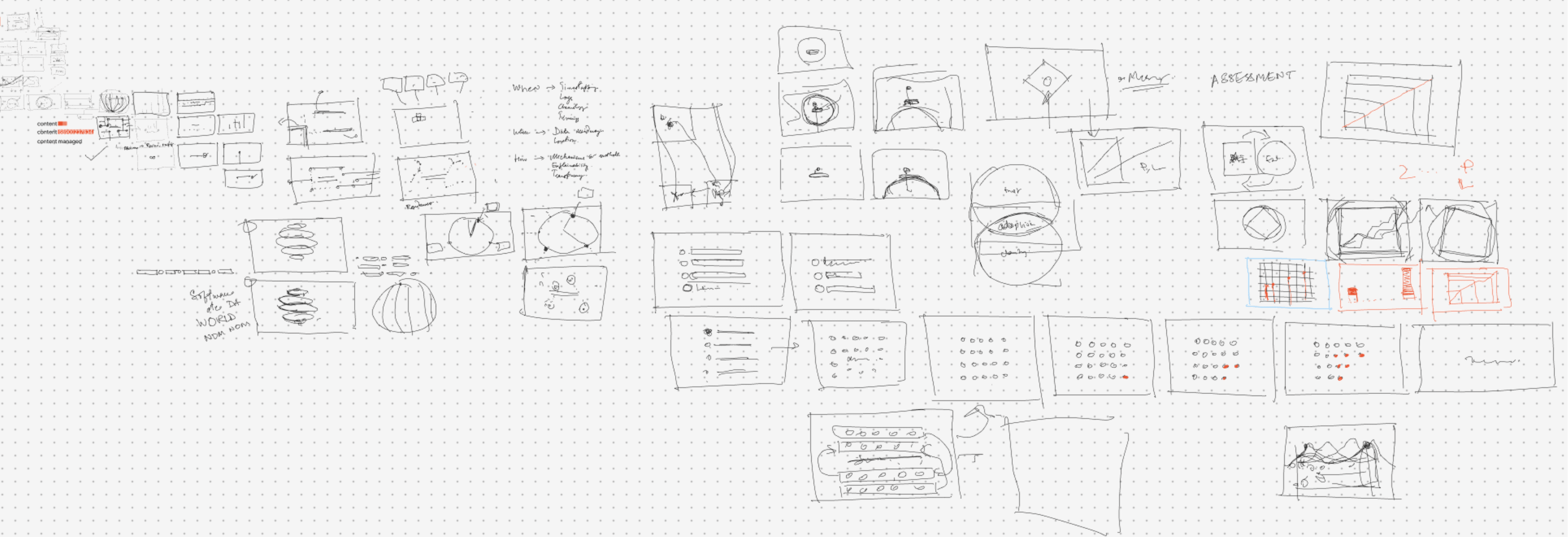
From here, patterns started forming. Which metaphors repeated across different concepts, which felt too literal, which felt too vague. The sketches that survived became the starting points for the three visual directions.
THREE VISIONS
Finding the right visual register.
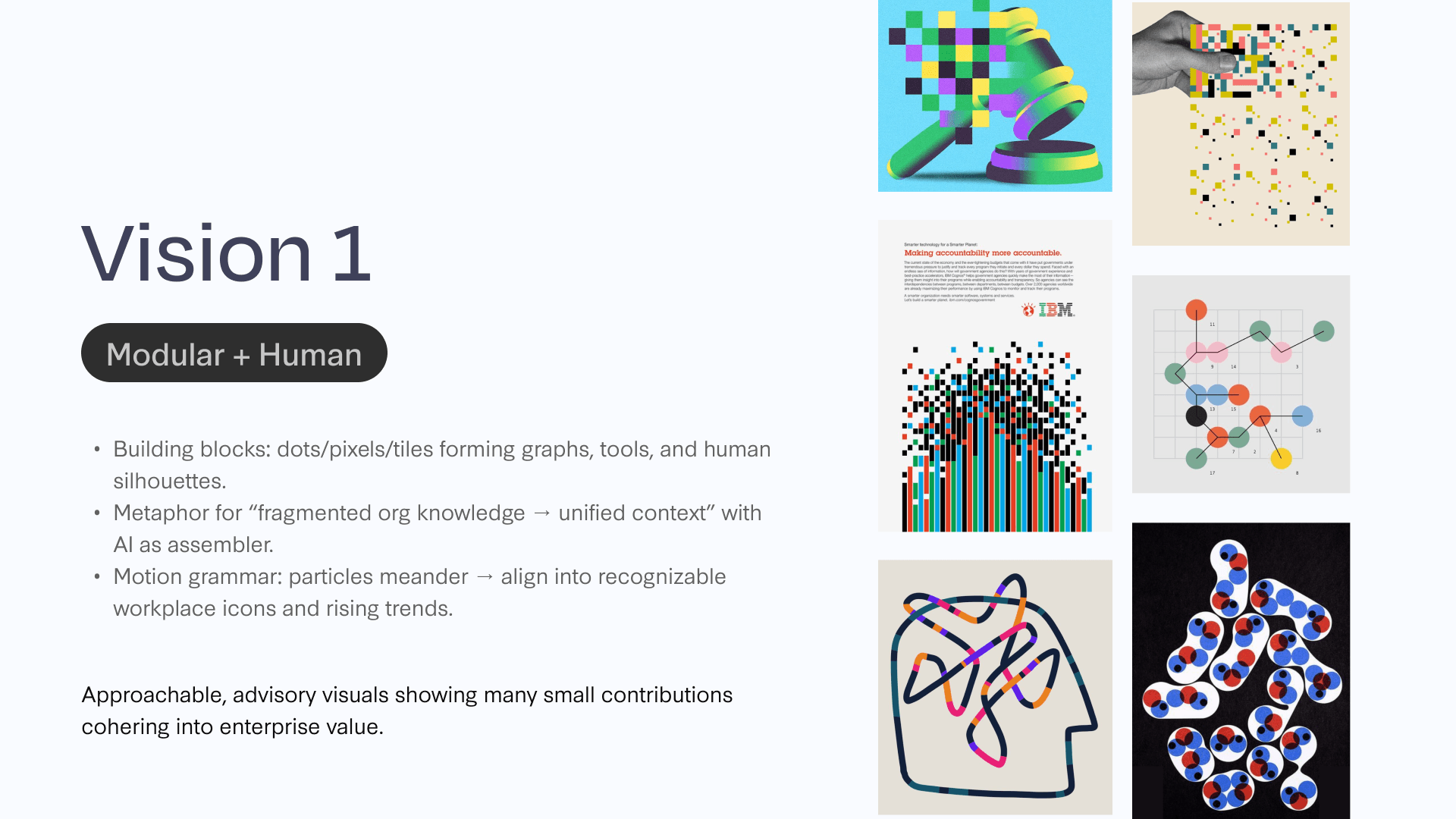
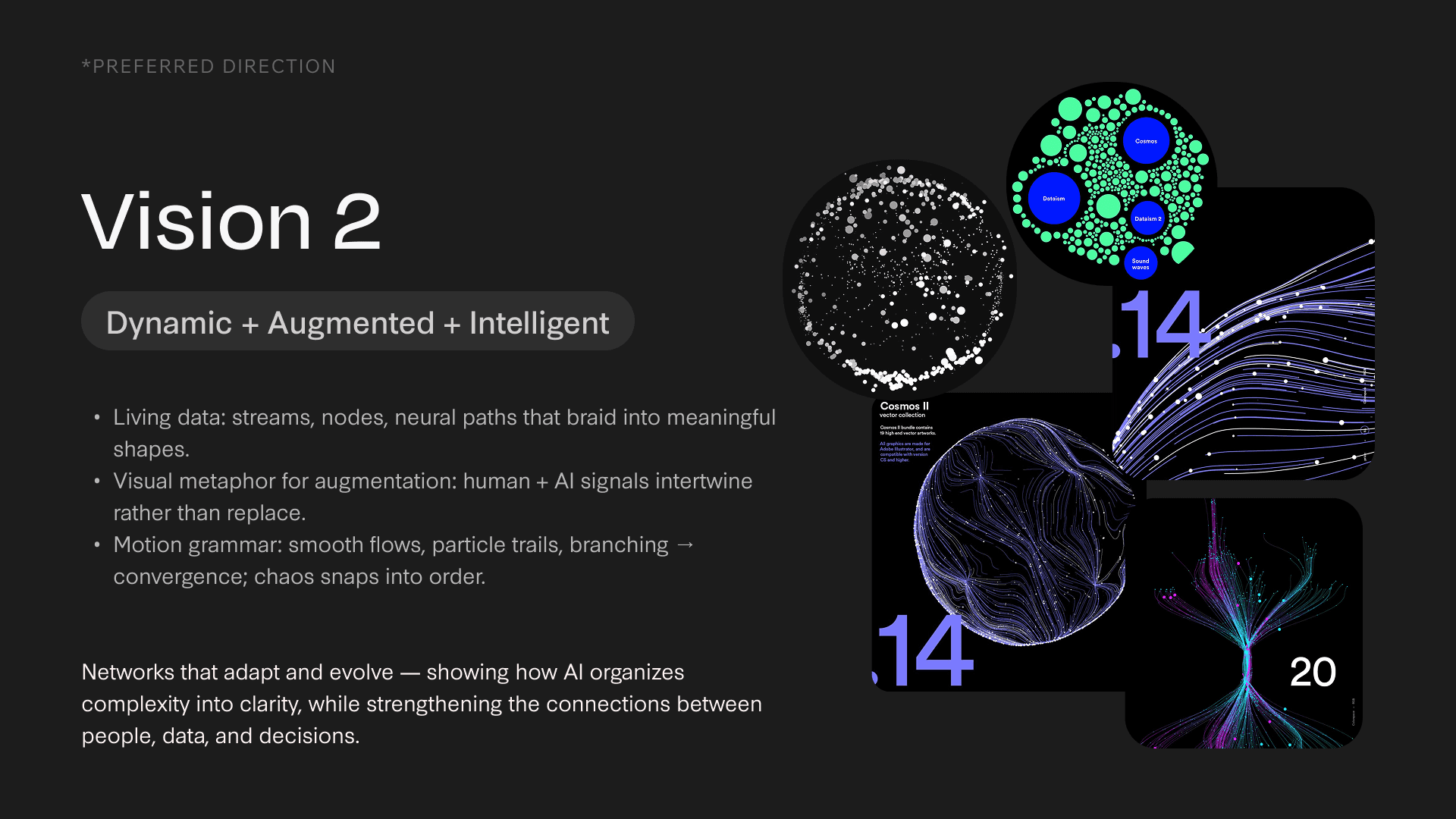
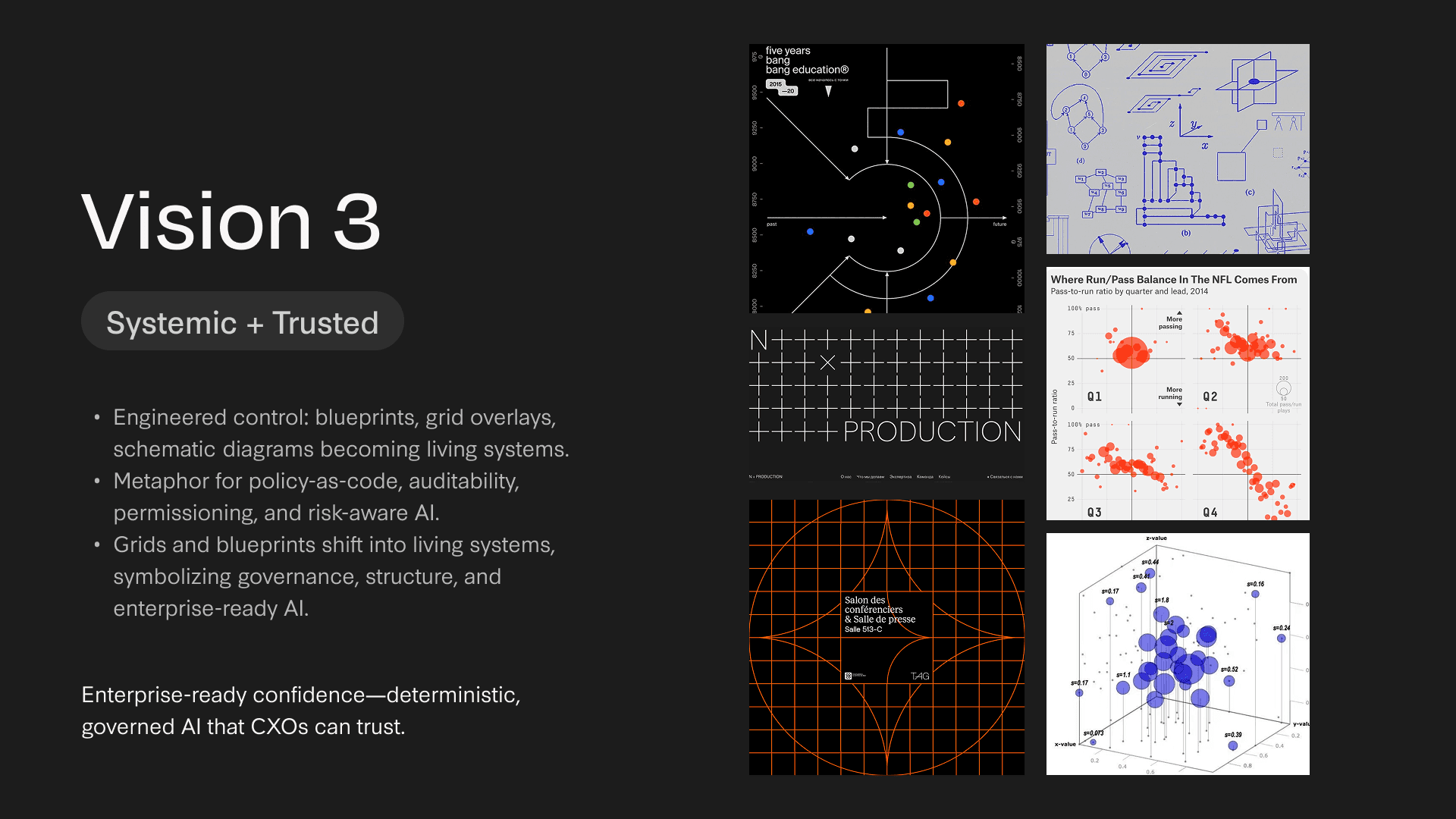
Before jumping into final frames, I explored three visual directions. Each one had a different take on how to represent AI, data, and governance visually.
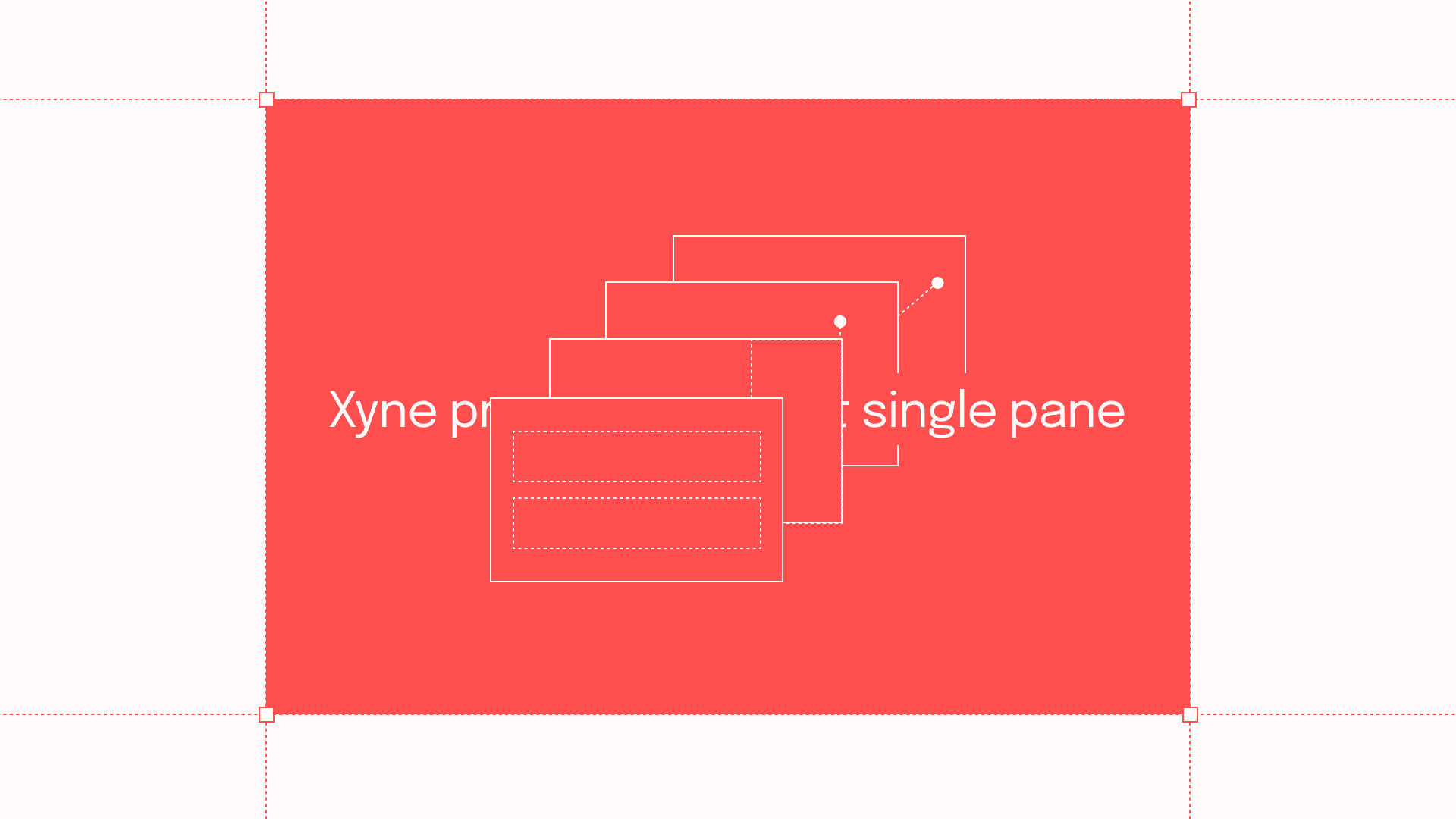
Layered elements : Objects on separate layers so the motion team could animate entries, exits, and transitions without cutting things apart.
THE PICK
Vision 3
The grids, blueprints, schematic lines. It looked technical, and that was the point. The audience is bank CXOs and institutional leadership. They needed to feel like this is serious backend infrastructure, not a consumer AI wrapper. The systemic, engineered look gave them that vibe immediately.
HUMANS AUGMENTED, NOT REPLACED
A visual argument that runs through the whole video.
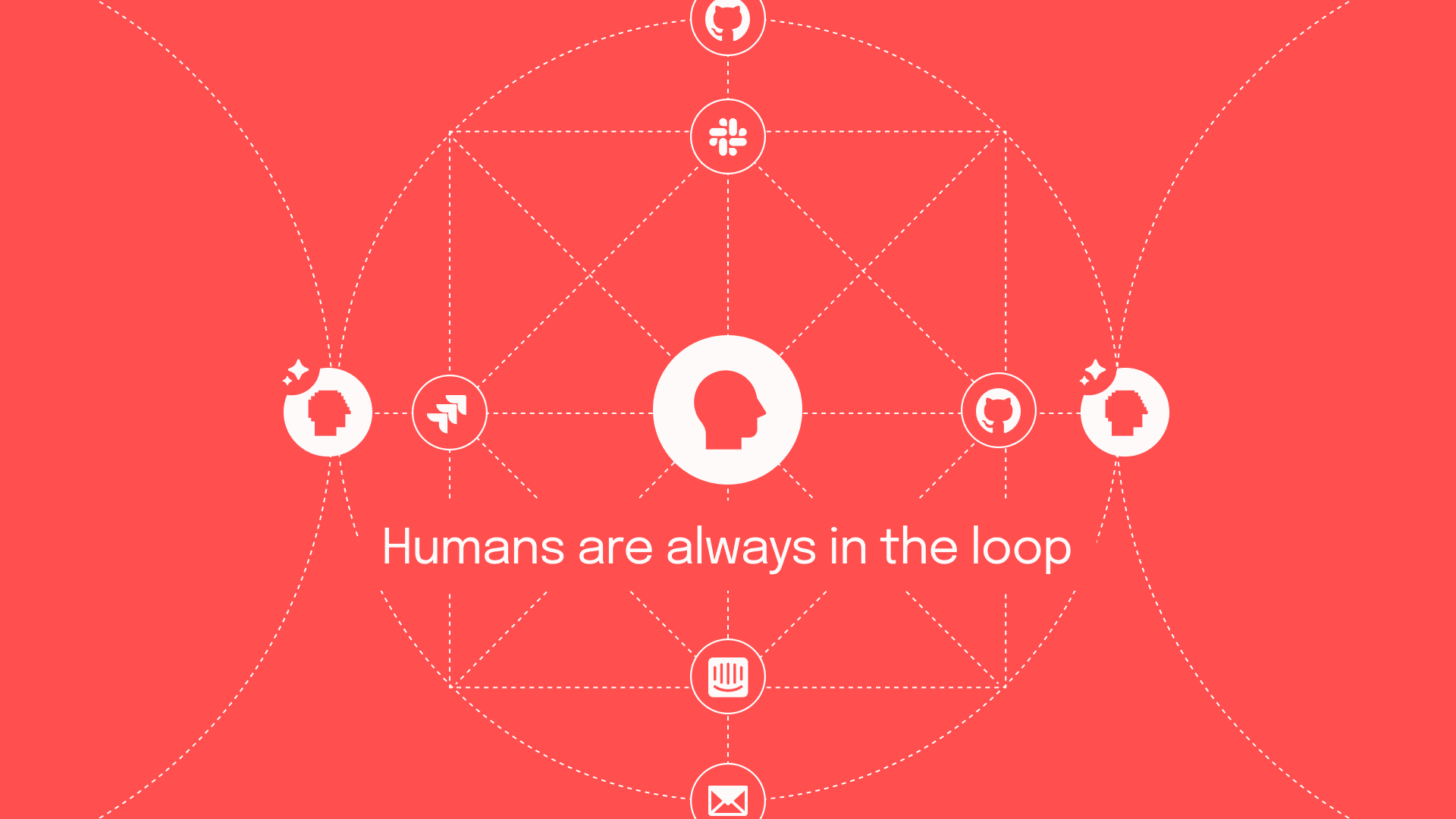
This was a deliberate design decision, not just a script line. The audience for this video (bank leadership, institutional CXOs) has real anxiety about AI replacing people. The video needed to visually argue the opposite: AI makes the human more capable, not redundant.

The "Agents act like accountable teammates" frames show this directly. A human icon and an AI-augmented icon side by side on a grid. The AI version isn't separate; it's the human version with more capability attached. Same silhouette, added tools. The grid structure reinforces that this is organised, governed, not chaotic.
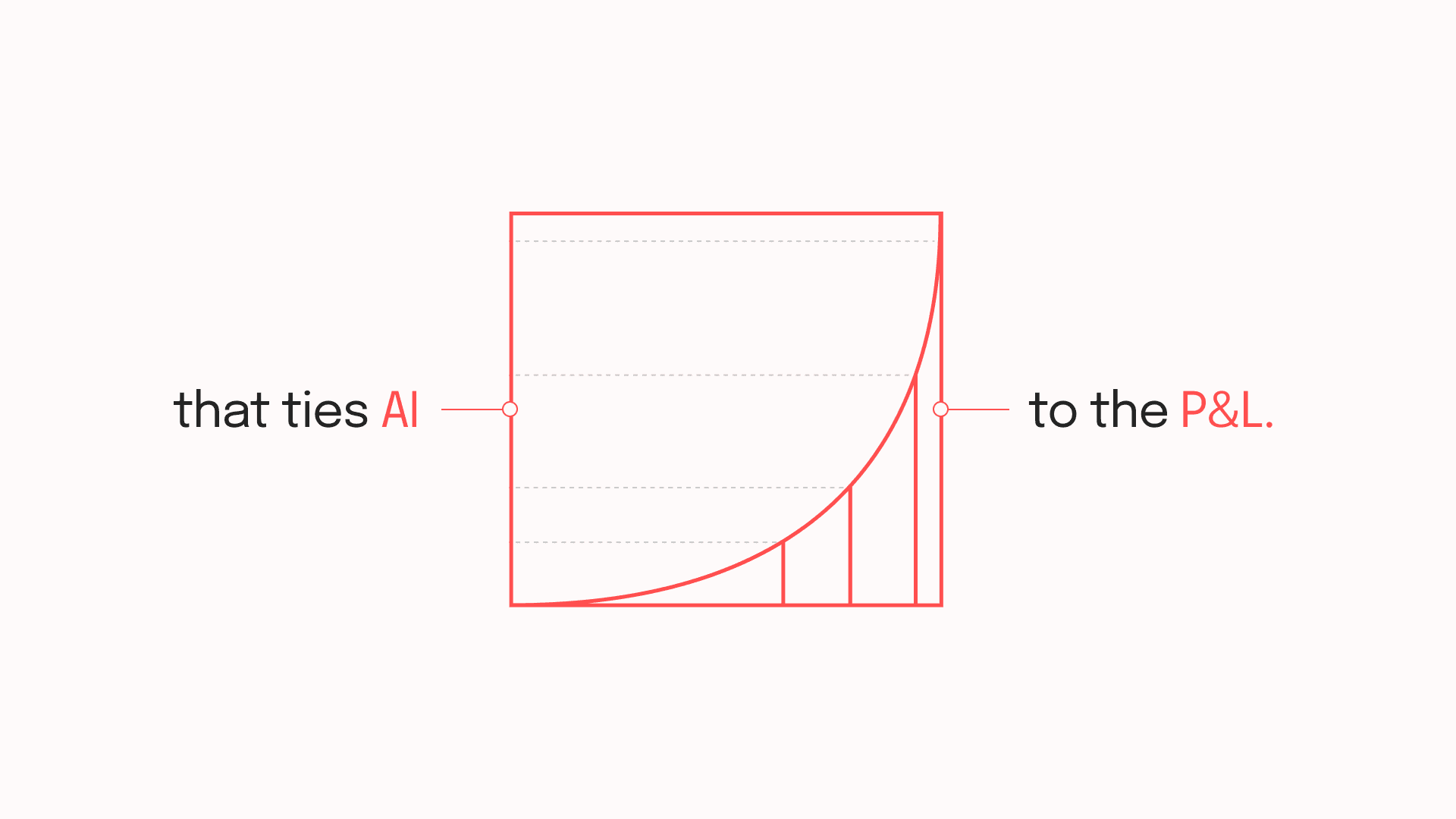
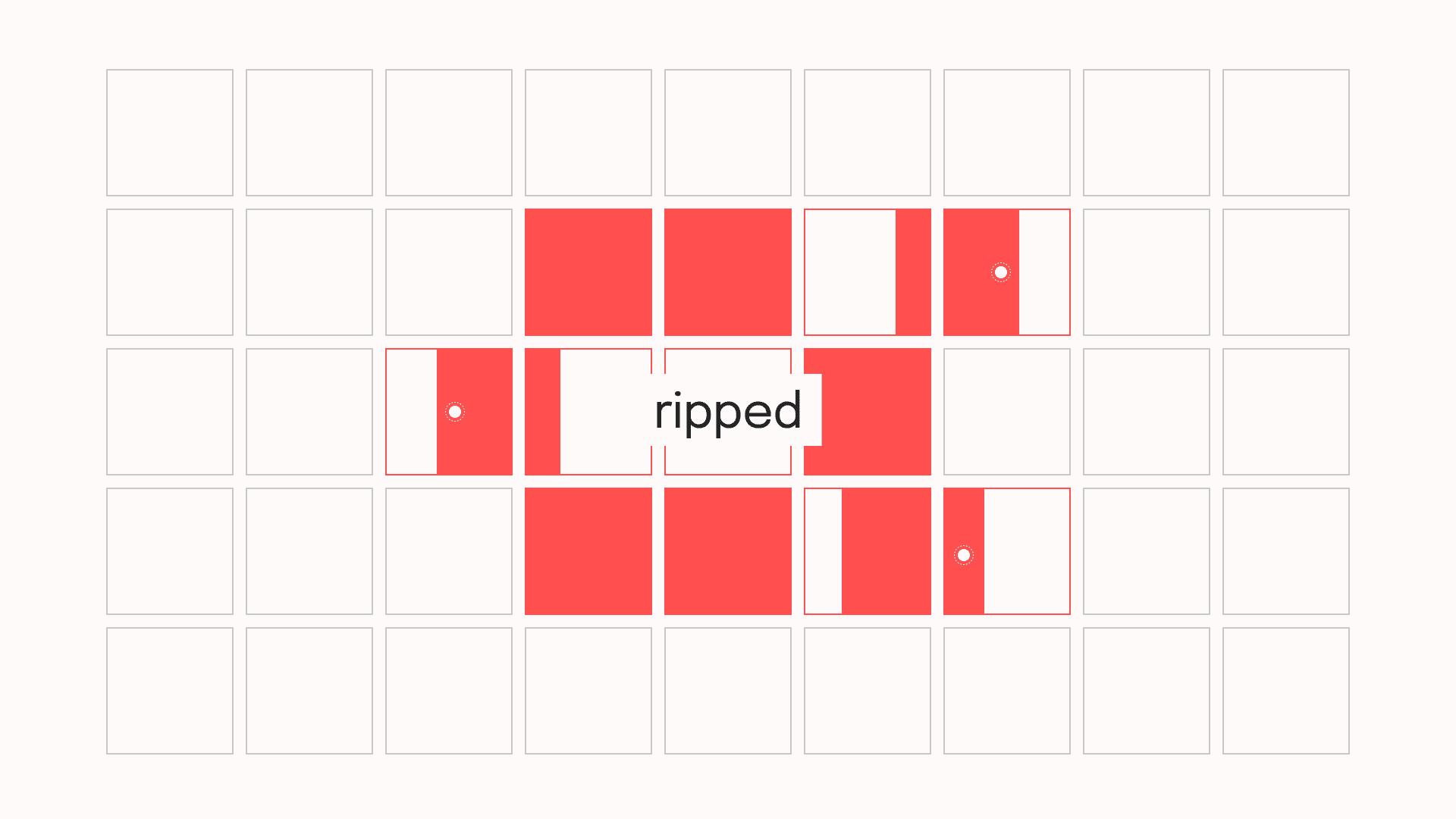
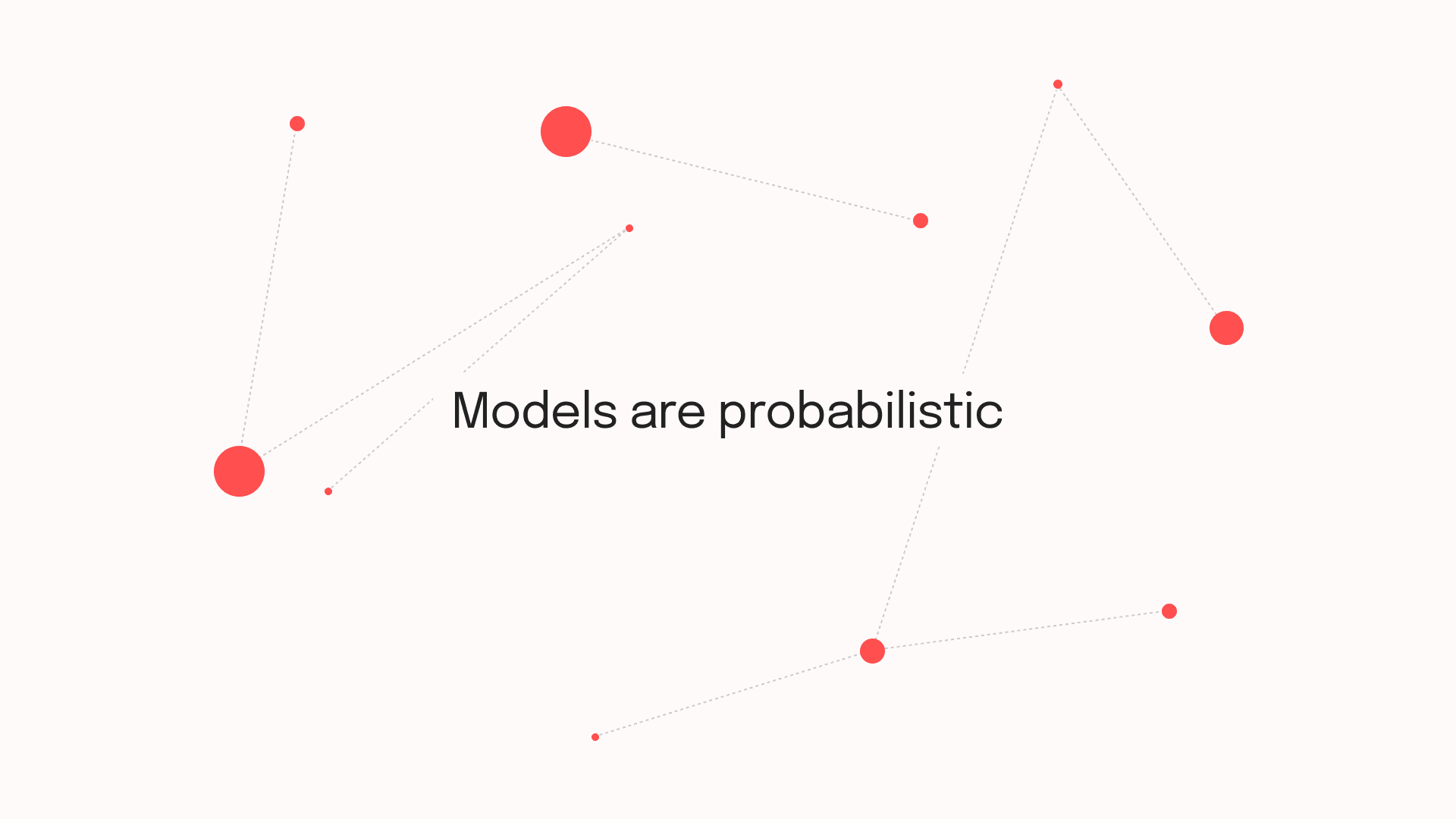
A FEW VISUAL FRAMES
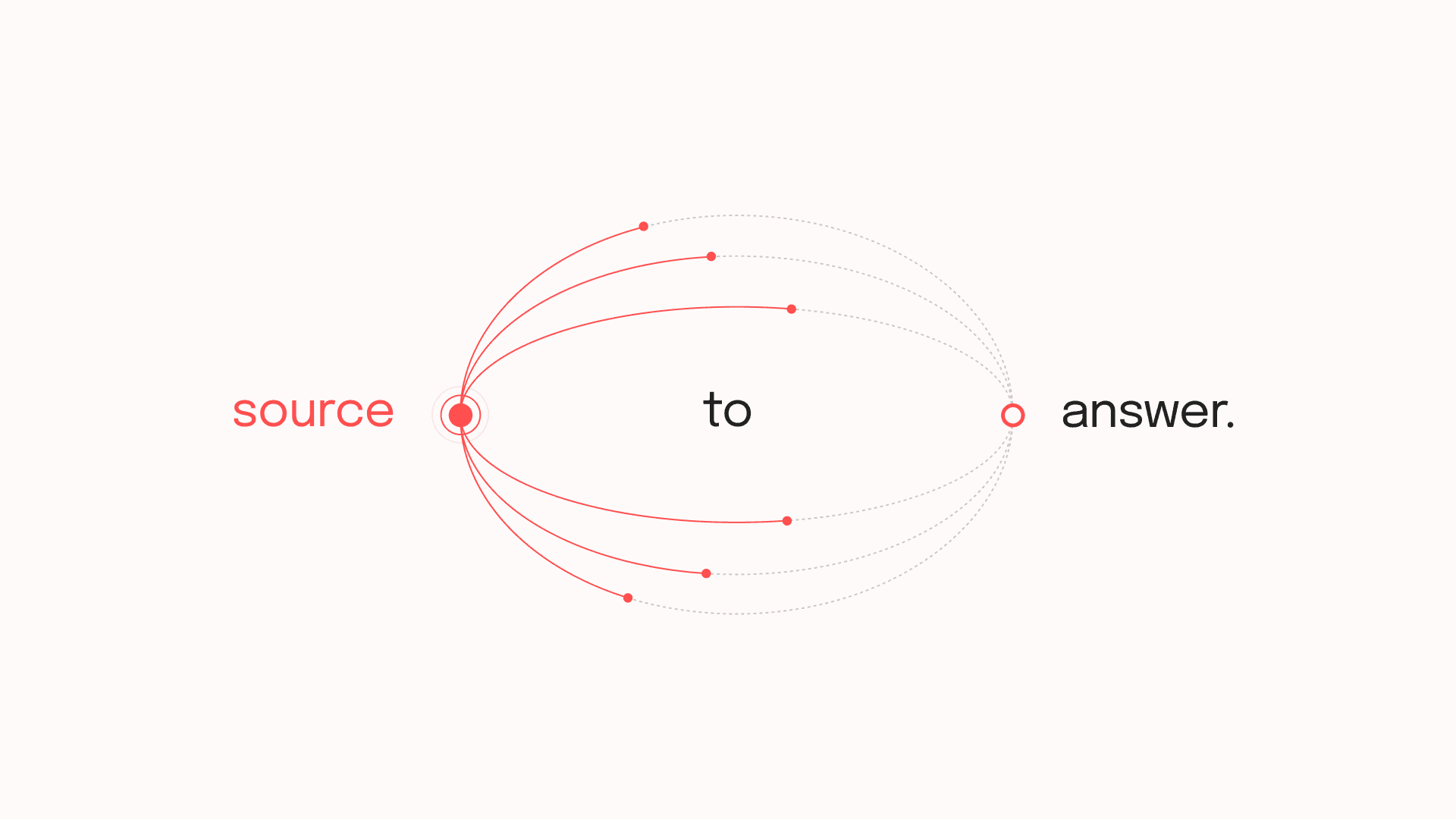
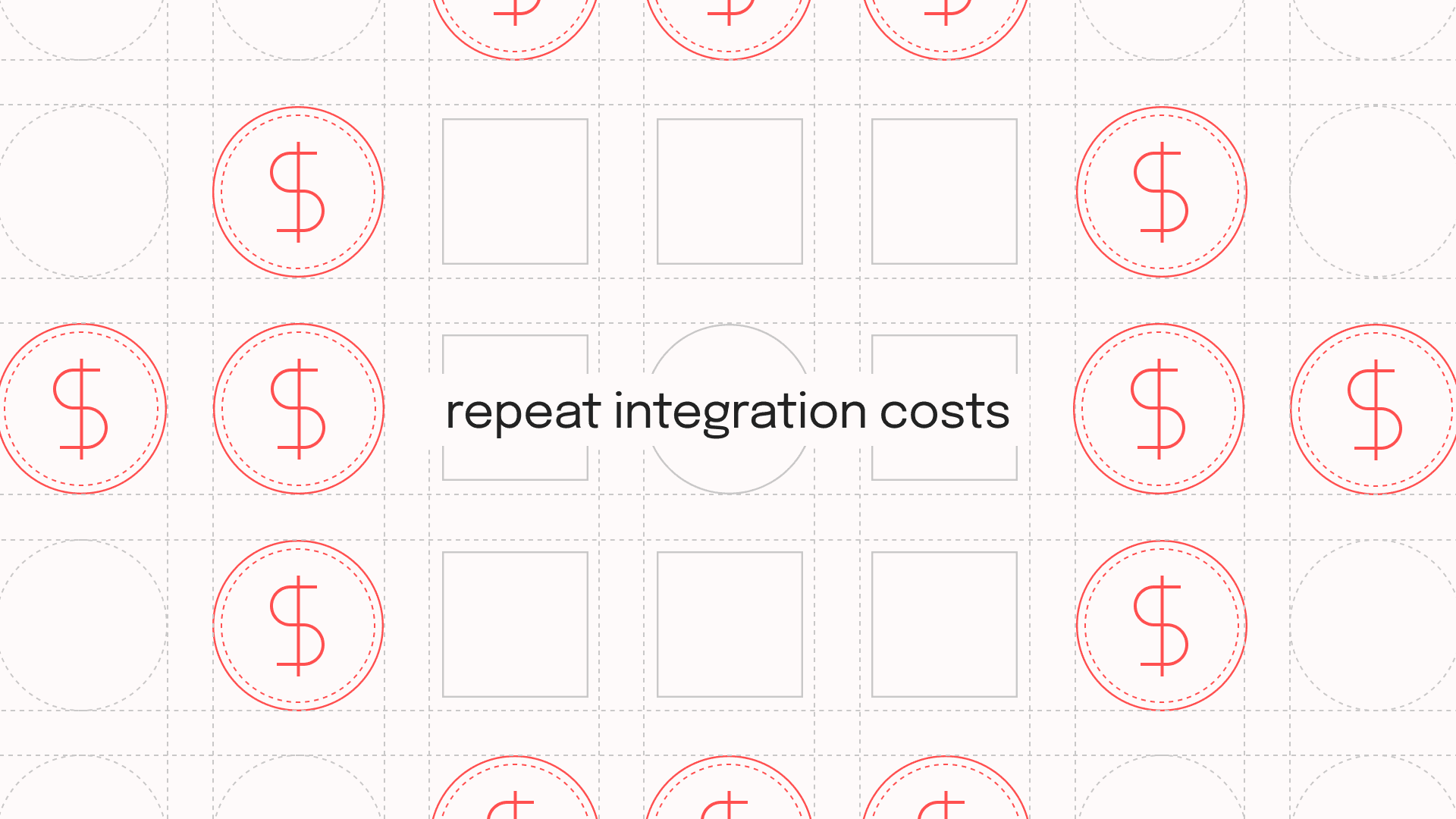
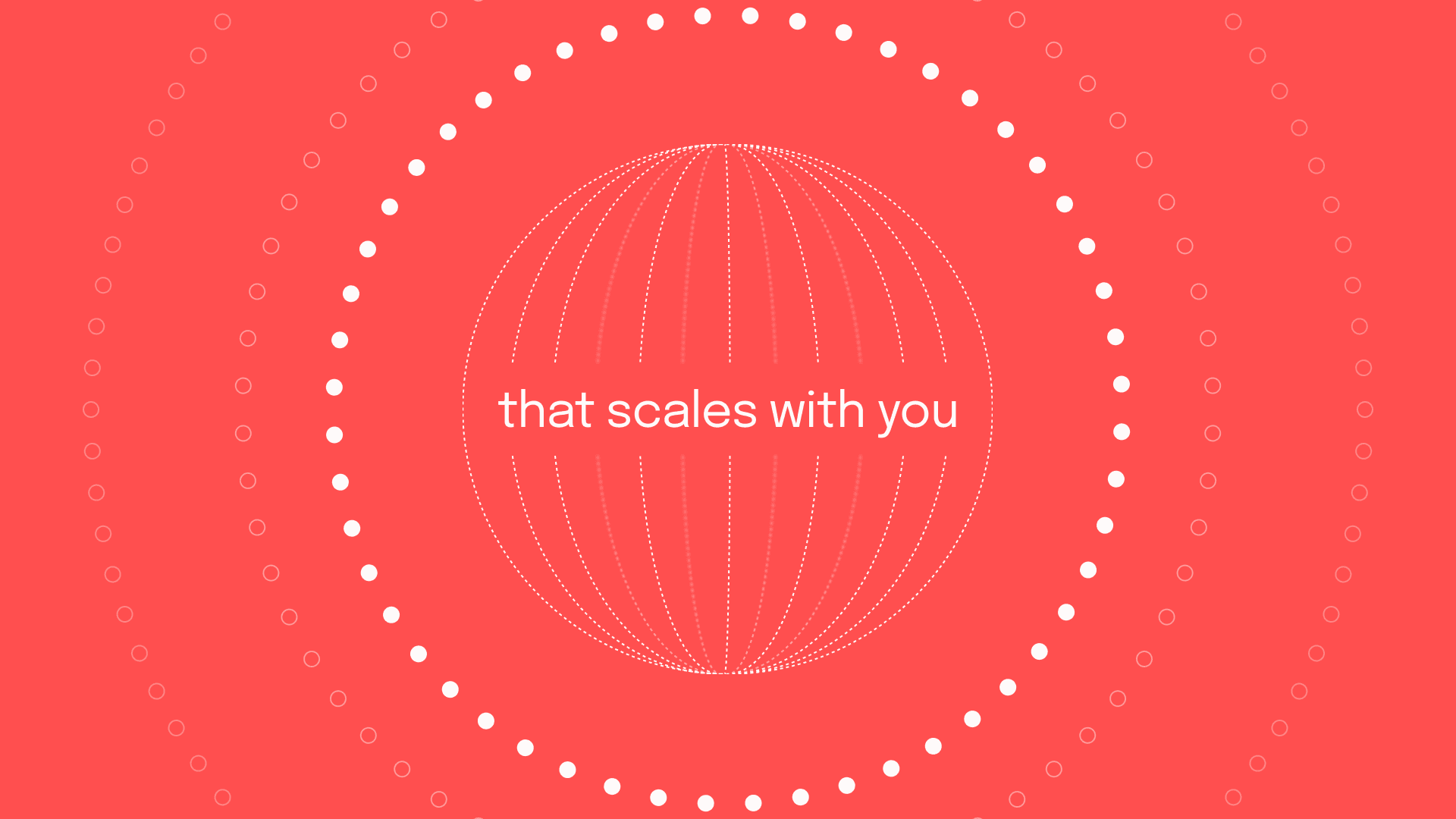
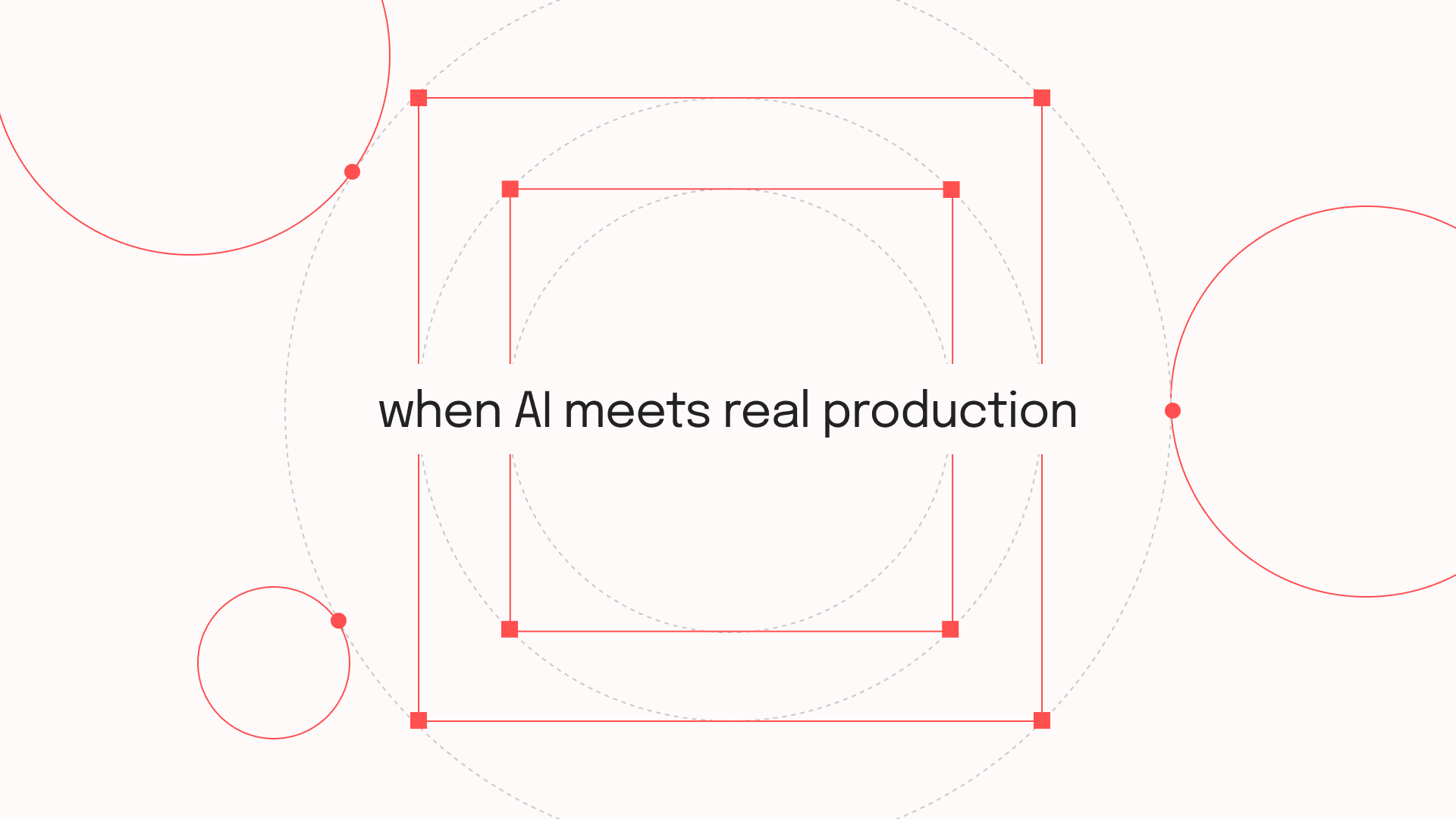
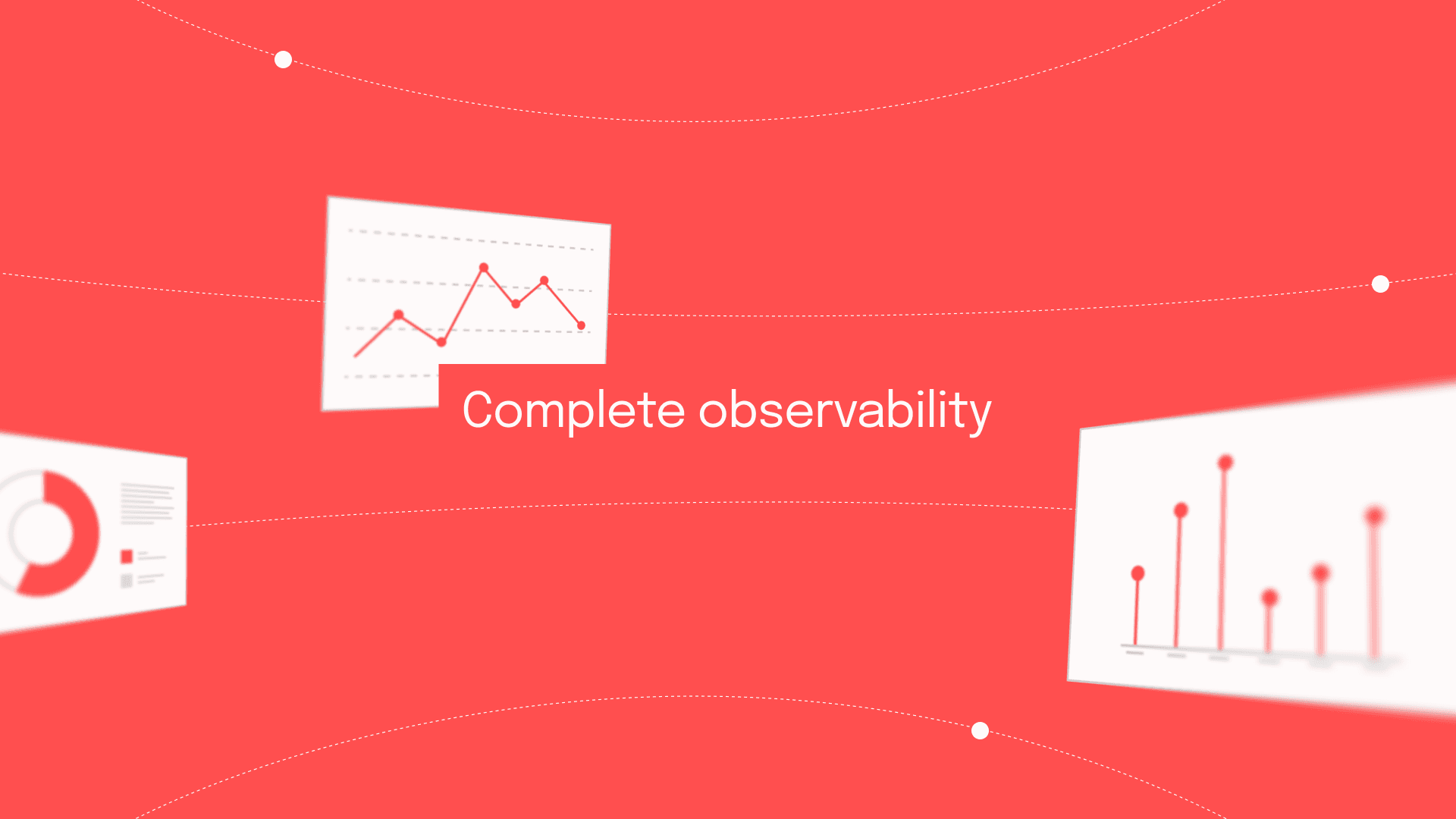
20 frames, 20 abstract concepts made visual. The hardest project in this portfolio in terms of "how do I show this?" problem-solving. Every frame is a decision about making invisible technology understandable to someone who doesn't care how it works, only what it does and why they should care now.
Watch the full video here:
Other Projects

View more